Blog ·
Finding Your Ideal Temperature: A Room-by-Room Guide
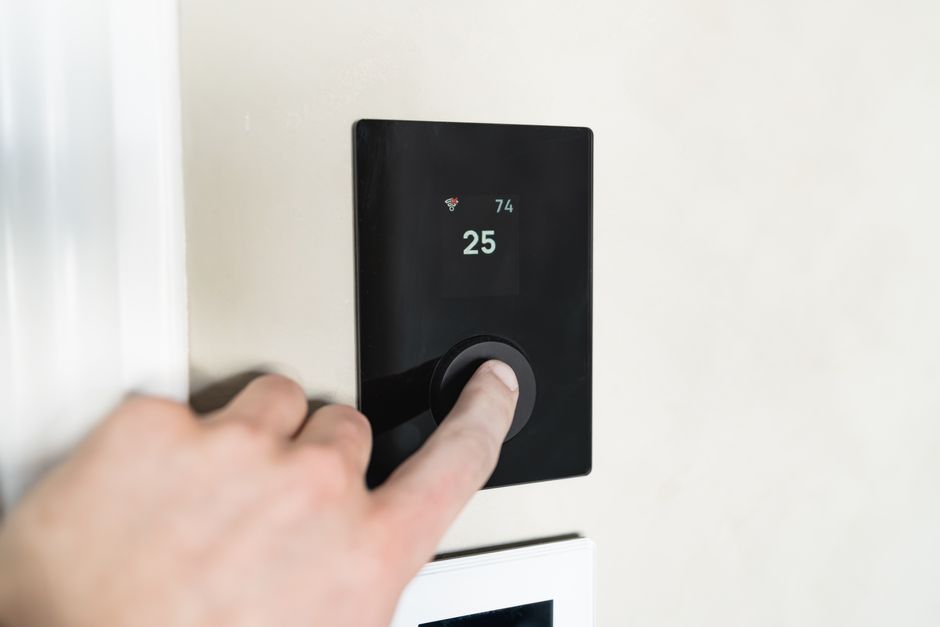
Not every room in your home needs to be the same temperature. Different spaces serve different purposes, have different sun exposure, and may be occupied at different times of day. Understanding how to optimize climate control for each room can dramatically improve both comfort and efficiency throughout your home.
Bedrooms: Cool and Consistent
Most people sleep better in cooler environments. Bedrooms benefit from slightly lower temperatures than living spaces, typically a few degrees cooler than your daytime setting. This helps your body transition into sleep mode naturally. If your bedroom gets morning sun, your system may need to work harder early in the day, so positioning your thermostat away from direct sunlight ensures accurate temperature reading.
Living Spaces: Comfort During Active Hours
Your living room, kitchen, and dining areas are where you spend most of your waking hours. These spaces typically feel most comfortable at your preferred daytime temperature. Because these rooms often have higher traffic and more windows, your climate control system needs to handle both solar heat gain during the day and temperature drops as the sun sets.
Bathrooms: Humidity Control Matters
Bathrooms present a unique challenge. They generate significant moisture from showers and baths. Proper ventilation combined with consistent temperature control prevents moisture buildup and the mold growth that can follow. Maintain steady bathroom temperatures to avoid condensation on mirrors and walls.
Home Offices: Steady Focus Conditions
Whether you work from home part-time or full-time, your office space benefits from stable, moderate temperatures. Fluctuating temperatures distract from focus and can make it difficult to concentrate. Avoid placing heat sources like lamps or electronics near your thermostat, as they can trigger unnecessary cooling cycles.
Basement and Utility Spaces
Basements often experience natural temperature variations depending on ground temperature and moisture levels. These spaces may need different climate control approaches than upper floors. Protecting equipment and preventing moisture damage should guide your settings in these areas.
The key to room-by-room comfort is understanding your home's layout, sun exposure patterns, and how you use each space. A quality climate control system gives you the ability to adjust and optimize these conditions. Pay attention to how different areas feel throughout the day, and don't hesitate to adjust your settings based on seasonal changes and your household's evolving needs.